رویکرد جدید اپل به نخستین مک لمسی؛ ابزاری کمکی در کنار صفحه کلید
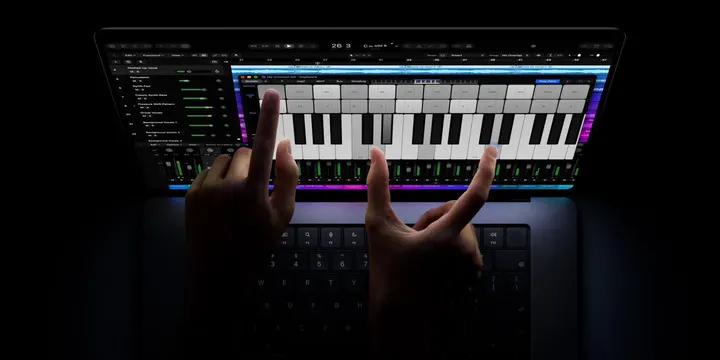
اپل با معرفی نخستین مک مجهز به صفحه نمایش لمسی دیدگاه خود را تغییر داد. مدیران اپل تاکید میکنند که لمس صفحه نقش مکمل را دارد و ساختار اصلی مبتنی بر کیبورد و ترکپد حفظ شده است.
سالها پیش استیو جابز ایده مک لمسی را رد کرده و آن را از نظر ارگونومیک نامناسب خوانده بود. با این حال، اپل با معرفی نخستین مک لمسی این روند را تغییر داد و رویکرد متفاوتی را در پیش گرفت.
مدیران اجرایی اپل توضیح دادهاند که قابلیت لمسی به عنوان روشی ثانویه برای تعامل در نظر گرفته شده است و ابزارهای اصلی همچنان کیبورد و ترکپد باقی میمانند. با وجود اینکه نسل جدید کاربران به نمایشگرهای لمسی عادت کردهاند، ساختار سیستمعامل به گونهای حفظ شده است که دقت کنترل کاربران کاهش نیابد.
Apple seems to have the right approach to the first touchscreen Mac
Steve Jobs famously dismissed the idea of a touchscreen Mac back in 2010 when he said that it “gives great demo” but turns out to be “ergonomically terrible” in real-life use. It was inevitable that eyebrows would be raised when the company did a U-turn on this by launching the first touchscreen Mac . But while I have no interest myself, I do think the company’s counterargument some 16 years later makes sense … more…
Steve Jobs famously dismissed the idea of a touchscreen Mac back in 2010 when he said that it “gives great demo” but turns out to be “ergonomically terrible” in real-life use.
It was inevitable that eyebrows would be raised when the company did a U-turn on this by launching the first touchscreen Mac. But while I have no interest myself, I do think the company’s counterargument some 16 years later makes sense …
Steve Jobs had this to say back in 2010:
We thought about this years ago. We’ve done tons of user testing on this and it turns out it doesn’t work. Touch surfaces don’t want to be vertical. It gives great demo, but after a short period of time you start to fatigue – and after an extended period of time your arm wants to fall off. It doesn’t work, it’s ergonomically terrible. Touch surfaces want to be horizontal […] that’s why we’ve perfected our multi-touch trackpads over the years.
Current CEO John Ternus addressed this change of heart directly. Specifically, he said that touch was intended to be a supplementary way of interacting with the machine rather than a primary one.
The Mac is first and foremost an indirect input device, built around the trackpad and keyboard. But I think there’s times when it’s comfortable and handy to have touch.
He suggested that it isn’t the headline feature of the new model.
All of these things, and, oh yeah, it has touch as well.
I’m not interested in a touchscreen Mac
I’m a Mac guy through and through, right from the original Macintosh back in 1984. I’m also a massive trackpad fan, using the Magic Trackpad on my desk setup rather than a mouse. To me, it’s just the perfect way to control a Mac.
There was a period when I quite frequently used a 12.9-inch iPad with Magic Keyboard as a mobile alternative. Like the new MacBook Pro, that setup offered the choice of using the trackpad built into the keyboard or the touchscreen.
What I noticed about my own usage in this laptop-like configuration is that I almost exclusively used the trackpad. The only time I used the touchscreen was for scrolling, especially when I wanted to scroll a significant way down a page. That absolutely tracks with Ternus’ perspective of trackpad first, touchscreen sometimes.
However, when an M1 MacBook Air replaced my iPad with a Magic Keyboard, I didn’t miss the touchscreen at all.
But I can see Apple’s argument
One of the many things that’s changed over the years, in large part because of Apple’s launch of the iPhone way back in 2007, is that almost an entire generation has grown up with a touch interface. For them, the idea of a laptop without a touchscreen seems somewhat anarchic.
However, I do very much suspect that even this generation will still use the trackpad as the primary control mechanism for the very reasons Steve outlined 16 years ago.
The nightmare scenario for Mac users was Apple compromising the interface in order to support touch. None of us wanted to lose the high resolution UI elements and see them replaced with giant cartoon-like equivalents. None of us wanted to lose the precise control we get from a trackpad. Thankfully, that hasn’t happened.
So no, I won’t be buying one personally, but I can see why Apple added the feature, and I do think the company has the right attitude to it.
Do you agree, or have a different view? Please share your own take in the comments.
Image: Apple
Source report: 9to5Mac.
گزارش فارسی این خبر با کمک هوش مصنوعی و فقط بر اساس اطلاعات منتشرشده در منبع تهیه شده است.