نگرانیهای پیرامون گوشی موتورولا Signature 27؛ سختافزار قدرتمند در برابر ابهام در بهروزرسانی
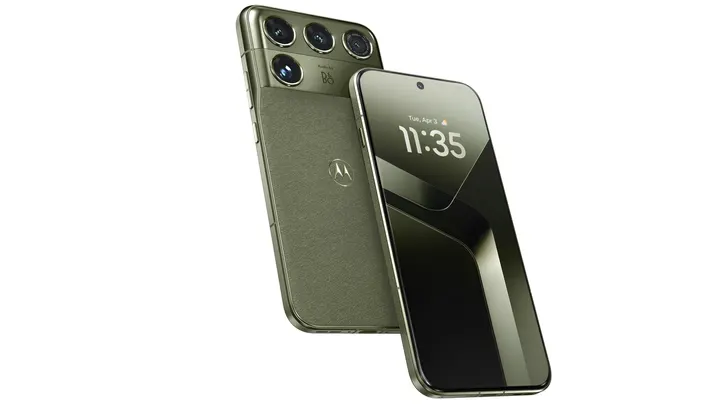
گوشی پرچمدار موتورولا Signature 27 با مشخصات سختافزاری وسوسهانگیزی مانند تراشه اسنپدراگون و دوربینهای پیشرفته راهی بازار ایالات متحده میشود. با این حال، ابهام در سیاست بهروزرسانی نرمافزاری و چالشهای قیمتگذاری، نگرانیهایی را برای خریداران ایجاد کرده است.
شرکت موتورولا خود را آماده میکند تا با گوشی پرچمدار Signature 27 سهم خود را در بازار ایالات متحده افزایش دهد و رقابتی جدی با شرکتهایی مانند اپل، گوگل و سامسونگ ایجاد کند. این گوشی روی کاغذ حرفهای زیادی برای گفتن دارد و از مشخصات سختافزاری برجستهای بهره میبرد. در بخش دوربین، این دستگاه به یک ماژول چهارگانه مجهز شده که شامل حسگر ۵۰ مگاپیکسلی سونی و دوربین تلهفوتو پریسکوپی ۲۰۰ مگاپیکسلی است. همچنین توان پردازشی آن توسط نسخه قدرتمندی از تراشه کوالکام تأمین میشود.
با وجود این مشخصات جذاب، دو نگرانی عمده درباره این پرچمدار وجود دارد. نخستین مسئله به سیاست بهروزرسانی نرمافزاری موتورولا مربوط میشود. شرکت وعده دریافت هفت سال بهروزرسانی سیستمعامل و وصلههای امنیتی را داده است، اما استفاده از عبارت مبهم «تا» هفت سال نشان میدهد که ممکن است پشتیبانی از دستگاه زودتر متوقف شود. همچنین سابقه موتورولا در ارائه بهروزرسانیهای به موقع چندان درخشان نبوده و وصلههای امنیتی بهصورت دو ماه یک بار عرضه میشوند که این موضوع اعتماد کاربران را خدشهدار میکند.
دومین نگرانی به قیمتگذاری و حافظه دستگاه مربوط میشود. نسل قبلی این گوشی در بازار بریتانیا با قیمتی در محدوده ۹۰۰ تا ۱۰۰۰ پوند عرضه شده بود و مدل جدید نیز احتمالا برچسب قیمتی رقابتی در حدود ۱۰۰۰ دلار در ایالات متحده خواهد داشت. با این حال، بحران قیمت قطعات و تراشه ممکن است شرکت را ناچار به افزایش قیمت یا کاهش حافظه رم کند که این امر کار را برای رقابت با پرچمداران گرانقیمت بازار دشوارتر میسازد.
I hope the Motorola Signature 27 is great, but I have 2 big concerns I can’t shake
Credit: Motorola Maybe I just like rooting for the underdog, but I can’t help but feel that the US smartphone market could do with a good shake-up. Loosening the grip of Apple, Google, and Samsung would inject a little more urgency into the pace of hardware innovation. While phones like the OPPO Find X10 Pro Max and vivo X500 Pro Max offer global consumers something different, they’re not available in the US. At…
Affiliate links on Android Authority may earn us a commission. Learn more.
I hope the Motorola Signature 27 is great, but I have 2 big concerns I can't shake
Oct 29, 2026 — 7:00 AM ET
Maybe I just like rooting for the underdog, but I can’t help but feel that the US smartphone market could do with a good shake-up. Loosening the grip of Apple, Google, and Samsung would inject a little more urgency into the pace of hardware innovation. While phones like the OPPO Find X10 Pro Max and vivo X500 Pro Max offer global consumers something different, they’re not available in the US. At least not without the inconvenience and expense of importing a unit.
Thankfully, Motorola remains a major player stateside, and the upcoming Signature 27 is officially heading to the US for the lineup’s second generation.
If you missed Motorola’s early announcement post, the Signature 27 bets big on all the major spec sheet talking points. The interesting-looking camera housing is perhaps the biggest talking point, but not just for the unconventional aesthetics. The array sports four capable-looking cameras — a 50MP Sony LYTIA 910 sensor for the primary camera and a 200MP periscope telephoto camera for longer range snaps, borrowing from my favorite camera trend of the past few years. This will be paired with presumably 50MP telephoto and ultrawide cameras for a setup that puts the latest Galaxy, Pixel, and iPhone to shame. At least on paper.
The Signature 27's hardware sounds tempting, but there's more Moto needs to get right.
Then there’s the nuts and bolts of performance. The Signature 27 packs a Snapdragon 8 Elite Extreme Gen 6 — Qualcomm’s top-performing version of its latest chip that keeps the fire to the feet of Apple’s latest A20 Pro silicon. Motorola hasn’t confirmed its battery or charging specifications yet, but it has a good track record here in recent years. For instance, the compact Razr Fold already has a 6,000mAh silicon-carbon-enhanced battery that’s a good 20% larger than the 5,000mAh cell in the Samsung Galaxy S26 Ultra or 16% larger than the 5,000mAh cell in the Google Pixel 11 Pro XL. Its Motorola Edge 70 Max has a humongous 7,100mAh silicon-carbon battery, so I’d expect something between those two values.
Throw in fast wired charging and Bang & Olufsen audio, and Moto’s next flagship is looking hard to beat. Despite all this, there are two key ingredients Motorola really needs to nail to convince me that the Signature 27 is more than just an impressive spec sheet.
Updates that match the best
Motorola knows how to build great features on top of a rock-solid Android OS; its foldable phones, like the new Razr (2026), continue to prove it has an eye for great tools and improvements on popular formulas. It also provides a robust seven-year OS upgrade and seven years of security patches for its latest flagships, seemingly matching Google and Samsung for longevity. However, peer closer at the fine print, and Motorola’s Signature 27 update commitment isn’t quite as great as it first appears.
First, Motorola is hardly as concrete as its rivals regarding support duration. “Up to” seven years for OS upgrades is doing quite a lot of heavy lifting, hinting that the brand could drop the phone if it deems it not worth supporting in the future.
With Sony recently backing out of bringing Android 17 to the Xperia 10 VI, a phone in just its second year of a meager three-year upgrade promise, it’s never been more important for consumers to have faith in the wording of these update commitments. If Motorola is really promising a firm seven years of updates, it should say so, or at least clearly stipulate the extenuating circumstances that would prevent it from doing.
Motorola's reputation for updates is spotty, to put it politely.
The Signature 27 update policy also promises bimonthly security patches, rather than guaranteeing a patch for the latest bugs and exploits every month. This isn’t a dealbreaker on its own — monthly patches aren’t always strictly necessary, and extreme exploits can always be patched faster out of schedule. Ultimately, robust patches that come every two months are better than monthly updates that are little more than changelog filler.
Unfortunately, Motorola doesn’t have the greatest track record of providing timely updates either. We can find plenty of user reports of handsets receiving updates months after they were supposed to land. Furthermore, older devices quickly slip down the priority list when newer models launch, meaning the Signature 27 might not stay at the top of the pecking order for long. The company also tried to weasel out of EU-mandated commitments to longer-term support for its budget products, which hardly inspires confidence in its broader product line either.
As Motorola is planning to charge top dollar for top specs, the Signature 27 needs to be at the top of the update game. And that leads me to my second concern — price.
It’s all about the money
What we know about the Signature 27 so far suggests it’s aiming to be a top-of-the-line flagship, presumably with a price tag to match. But exactly where the phone lands compared to its closest competitors will be the deciding factor.
The first-gen Motorola Signature, which didn’t launch in the US, costs £900-£1,000 (~$1,140-$1,270) in the UK, depending on the retailer and memory configuration. This puts the predecessor firmly in Pro-tier territory, costing a little more than baseline flagships from Apple, Google, and Samsung but quite a bit less than Pro Max and Ultra models. If the Signature 27 is priced just as aggressively, it could cost around $1,000 in the US, which would be quite attractive, as long as we can have faith in the update pledge.
However, the ongoing RAM crunch and anticipated processor price hikes make this feel increasingly like wishful thinking. And that’s before we consider the improved camera and other tech that’s on the way with the 27 model. Brands have faced two options this year to deal with the RAM crisis: either drop a module to save costs or raise their prices. Neither is a particularly attractive prospect for the Signature 27.
Price tag and storage will be key to the Signature 27's success.
Its predecessor already shipped with 12GB as the entry-level option, and dropping down to 8GB RAM feels like a no-go. That would make the phone feel far more like a marginally improved Edge 70 Max, with little in the way of longevity compared to rival flagships. The 16GB option could disappear or cost so much that it becomes unappealing. It’ll be a much harder sell near $1,500 than it would a few hundred dollars less. It seems likely that a 12GB/256GB storage configuration is probably the right baseline compromise; it won’t be cheap, but it won’t price itself out of the market either.
The big unknown is whether Motorola has enough room to undercut its XL, Pro Max, and Ultra competitors, which now cost upwards of $1,299. An aggressive price tag might make a vague update policy easier to swallow, but at this tier, buyers shouldn’t have to trade long-term support for hardware value. Here’s hoping Motorola delivers on both fronts when the Signature 27 lands in less than a month.
Source report: Android Authority.
گزارش فارسی این خبر با کمک هوش مصنوعی و فقط بر اساس اطلاعات منتشرشده در منبع تهیه شده است.