ویژگیهای پنهان و جدید فناوری LE Audio در هدفونهای بیسیم
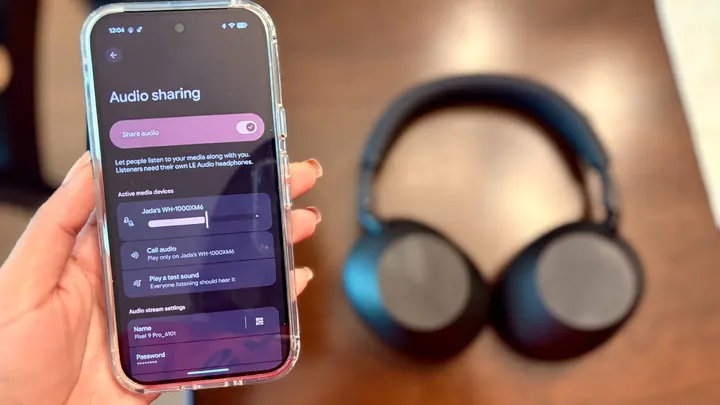
فناوری LE Audio فراتر از قابلیت Auracast عمل میکند و امکاناتی نظیر کیفیت صدای بالاتر در مکالمات و مصرف بهینه باتری را به ارمغان میآورد. این استاندارد جدید با ادغام پروفایلهای صوتی، مشکلات متداول اتصال و افت کیفیت صدا را برطرف میکند.
گذر از بلوتوث کلاسیک به فناوری LE Audio با عرضه هدفونهای پرچمدار و بهروزرسانیهای نرمافزاری شتاب گرفته است. این فناوری جدید بیش از یک قابلیت ساده است و نحوه انتقال صدا را در هدفونهای بلوتوثی دگرگون میکند. یکی از مزایای اصلی این فناوری، بهبود چشمگیر کیفیت صدا در مکالمات است. بلوتوث کلاسیک از پروفایلهای مجزایی برای پخش رسانه و مکالمه استفاده میکند که جابهجایی میان آنها افت شدید کیفیت صدا را در تماسهای ویدیویی یا بازیهای موبایلی به همراه دارد. اما LE Audio با ادغام این پروفایلها، صدای دوطرفه باکیفیت تری را فراهم میکند.
علاوه بر کیفیت صدا، این فناوری مشکل تخلیه نامتقارن باتری در ایربادهای بیسیم را نیز حل میکند. در بلوتوث کلاسیک، دستگاه مبداء صدا را به یک گوشواره ارسال میکند و آن را به گوشواره دیگر میفرستد که موجب تخلیه سریعتر باتری یکی از آنها میشود. با پشتیبانی از جریانهای صوتی مستقل در LE Audio، سازندگان نیازی به پیادهسازی روشهای پیچیده شخصی ندارند. همچنین این فناوری مشکل پیچیدگی کدکها را کاهش داده و تاخیر کمتری را در بازیهای ویدیویی ارائه میدهد.
Your headphones have hidden LE Audio features you’ll want to know about
Your JBL, Sony, or Bose Bluetooth headphones got a top-to-bottom wireless makeover — not just Auracast.
ZDNET’s key takeaways
- LE Audio is more than Auracast.
- Bluetooth headphones with LE Audio transmit audio in new ways across the board.
- Your LE Audio headphones have several less-discussed new tricks.
The shift from Classic Bluetooth to LE Audio is in full swing, as JBL and Sony release flagship headphones and earbuds with built-in LE Audio. Bose is the latest to upgrade its flagship headphones via an OTA firmware update.
Also: Apple has a Bluetooth problem, and Android is taking advantage
Better voice quality
LE Audio includes the Low Complexity Communication Codec (LC3), which includes the unified Telephony and Media Audio Profile (TMAP) to handle audio streams and voice calls simultaneously. Bluetooth Classic relies on the Advanced Audio Distribution Profile (A2DP) and Hands-Free Profile (HFP), which handle the same functions but require both profiles.
Also: Bluetooth’s latest could solve a common connectivity problem
The profiles in Bluetooth Classic, given that they must alternate, result in extremely poor voice quality during hands-free calls over cellular or video calls on Zoom or Teams. These profiles also account for degraded voice quality when chatting while playing a mobile game.
LE Audio consolidates these two profiles, creating higher-quality, bidirectional audio and preserving voice call quality when using wireless headphones.
Battery drain no more
Earlier this year, JBL gave its flagship Tour Pro 3 earbuds an OTA firmware update to support LE Audio, and Sony’s WF-1000XM6 earbuds, released in February, have LE Audio support out of the box. There’s one major true wireless earbud improvement wrapped in LE Audio: native multi-stream audio.
Also: Frustrated with multipoint? How it works – and why it sometimes won’t
In Bluetooth Classic, your source device, such as your phone, sends audio to one earbud, which then retransmits it to the other earbud. This complex audio transmission method is why one of your earbuds always has a lower battery than the other. Though premium earbuds usually have an independent stream workaround, many midrange and budget earbuds don’t, and that’s where LE Audio comes in handy.
LE Audio enables independent audio streams built into the Bluetooth stack, so manufacturers don’t need to implement their own methods to avoid asymmetrical battery drain.
Breaking down ecosystems
Software ecosystems, like Apple’s iOS and Samsung’s Galaxy, dictate which audio features are reserved for devices inside of them and withhold features from devices outside of them. Hardware ecosystems are equally responsible for the fragmentation of audio features across manufacturers, typically through codecs.
Sony’s LDAC codec for high-quality audio is only available on Sony headphones, earbuds, and smartphones with the proper hardware, which is limited in the US market. Snapdragon’s AptX codecs aren’t as widely available on phones either, leaving most people to rely on Bluetooth Classic SBC and AAC codes, even though their headphones support more advanced ones.
Also: Your iPhone may support Bluetooth Channel Sounding – and it’s a big deal
LE Audio eliminates the tedious codec issue, especially in wireless gaming contexts, delivering lower latency, improved voice audio streams, and eliminating asymmetrical audio transmission.
For now, as long as you have a compatible Android phone, you have access to several models of headphones, earbuds, and Bluetooth speakers that support LE Audio. As more manufacturers update their devices to support the Bluetooth audio streaming protocol, this suggests the technology is becoming more reliable.
So, what about your AirPods? I wouldn’t bet on it anytime soon.
Source report: ZDNET AI.
گزارش فارسی این خبر با کمک هوش مصنوعی و فقط بر اساس اطلاعات منتشرشده در منبع تهیه شده است.