معافیت مذهبی یک کارمند از استفاده از هوش مصنوعی در محیط کار
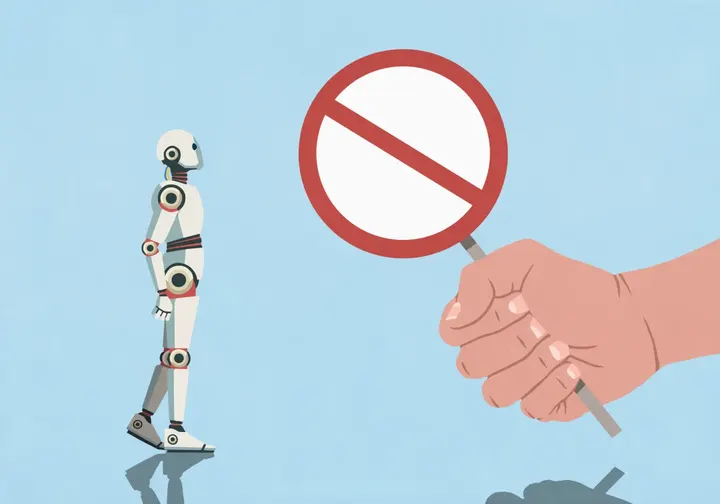
دیوید دورمن، از مدیران دانشگاه کنتاکی، توانسته است بر اساس باورهای اومانیسم غیرخداباوری خود، معافیتی قانونی برای عدم استفاده از هوش مصنوعی در محیط کار دریافت کند. این پرونده نشان میدهد که نگرانی درباره تأثیر هوش مصنوعی بر کرامت انسانی و تفکر انتقادی میتواند فراتر از ادیان سنتی و در قالب چارچوبهای سکولار نیز مطرح شود.
دیوید دورمن، از مدیران دانشگاه کنتاکی، اخیراً توانسته است معافیتی مذهبی برای عدم استفاده از هوش مصنوعی در محیط کار به دست آورد. اومانیسم به عنوان مجموعهای از باورها درباره تجربه انسانی و تعامل انسانها با جهان تعریف میشود که بر بهزیستی و شکوفایی فردی و جمعی تمرکز دارد. دورمن با کمک انجمن اومانیستهای آمریکایی پیگیر این موضوع شد زیرا معتقد است استفاده از فناوری هوش مصنوعی با باورهایش در تضاد است.
به باور دورمن، انسانها از طریق بهکارگیری فعال ذهن خود به بازیگران اخلاقی تبدیل میشوند و وابستگی بیش از حد به هوش مصنوعی تأثیر منفی بر تفکر انتقادی و تواناییهای ذهنی دارد. او در بیانیهای اشاره کرد که هوش مصنوعی توانایی افراد برای کسب درآمد را مختل میکند، هزینههای زیستمحیطی آن برای سیاره زمین فاجعهبار است و سرقت خلاقیتهای انسانی، فرهنگ و هنر را تهدید میکند.
اومانیسم رویکردی ضد مذهبی نیست، بلکه بیشتر برای افرادی جذاب است که نسبت به وجود قدرتهای ماورایی و خدا تردید دارند اما به دنبال یک چارچوب علمی و اخلاقی برای زندگی هستند. وکیل انجمن اومانیستهای آمریکایی تأکید کرد که نگرانی درباره هوش مصنوعی و کرامت انسانی میتواند در سنتهای مختلف از جمله آموزشهای کاتولیک، یونیورسالیسم و اومانیسم جریان داشته باشد و این افراد مشمول حمایتهای قانونی در محیط کار میشوند.
دورمن نخستین اومانیستی است که توانسته اقامتگاهی شغلی برای پرهیز از استفاده از هوش مصنوعی دریافت کند و یکی از نخستین کسانی است که علناً در این باره صحبت میکند. او پیشتر الهام خود را از فرد دیگری به نام ارین ماوس گرفته بود که توانسته بود حمایتهای مشابهی را برای خود دریافت کند.
سخنگوی دانشگاه کنتاکی اعلام کرد که این نهاد درخواستهای مربوط به اقامتگاههای مذهبی را به صورت فردی و با در نظر گرفتن مسئولیتهای شغلی بررسی میکند. در این پرونده، دانشگاه تشخیص داد که میتوان بدون آسیب به وظایف اصلی شغلی، این معافیت را فراهم کرد. نقش اداری دورمن در پشتیبانی از پژوهشگران متقاضی گرنت باعث شده بود که تاکنون مجبور به استفاده از هوش مصنوعی نباشد، اما او پیش از تبدیل شدن پیشنهادهای استفاده از ابزارها به یک دستورالعمل اجباری، اقدام به دریافت معافیت کرد.
You don’t need to believe in a god to get a religious exemption from using AI at work
David Durman, a University of Kentucky administrator, recently earned a religious exemption from using AI in the workplace.
Pope Leo XIV has decried AI as a threat to human dignity, but it’s not just the devoutly faithful who might worry about how AI squares with their beliefs. David Durman, a nontheistic Humanist, recently secured a religious exemption from using AI in the workplace.
“Humanism is a collection of beliefs about the human experience and how humans interact with the world,” Durman, a University of Kentucky administrator, told TechCrunch. It centers on “human well-being and flourishing, both individually and collectively […] and implores a person to try to improve both their well-being and their flourishing as well as the others around them.”
As he watched AI grow more popular in daily life, Durman sought out the American Humanist Association (AHA) — a nonprofit advancing secular humanism — to investigate how he could gain legal protections against having to use AI at work. He believes that using the technology runs counter to his beliefs.
“The way we become moral actors for ourselves and for others is through the active application of our minds, and the diminishing of that [through AI use] is going to necessarily have a negative impact on our ability to do so,” he said, reflecting on how overreliance on AI might affect critical thinking.
In a statement published by the AHA earlier this week, Durman wrote, “AI is interfering with people’s ability to earn a living, the environmental costs spell disaster for humanity and our planet, and its supplanting and theft of human creativity threaten elements of our culture like art and literature that make society flourish.”
Humanism is not anti-religious, but it tends to appeal to people who are skeptical of a god or other supernatural power yet still seek a scientific and moral framework to ground themselves in.
“Concern about AI and human dignity can run through several different faiths and traditions, whether that’s Catholic teachings, or Universalism, or Humanism, and we want Humanists or nontheists to know that they fall into these categories — that they are also protected by the law at work,” Alexandria Huiskens, Staff Attorney at the AHA, told TechCrunch.
Durman is the first Humanist to secure workplace accommodations that allow him to abstain from AI use, and one of the first people to publicly discuss their pursuit of these protections. He was inspired to seek them when he read that Erin Maus, a Unitarian Universalist and software engineer, was able to secure similar protections for herself.
“For me, this was about me and my convictions,” Durman said. “I’m obviously not trying to tell people how to think or feel… But I do hope that it encourages people who have similar concerns to pursue not necessarily religious exemption, but pursue their concerns to the best of their ability where they feel is the most appropriate.”
University of Kentucky spokesperson Jay Blanton told TechCrunch that the institution reviews requests for religious accommodations on an individual basis, considering the employee’s job responsibilities and the circumstances of the request.
“In this case, the university determined that an accommodation could be provided while allowing the employee to continue performing the essential functions of their position,” Blanton said in a statement. “As technology and job responsibilities evolve, accommodations may be reviewed to ensure they remain reasonable and workable.”
Maus’ situation is especially unusual, since it has become rare for software engineers to write code without any AI assistance. But in Durman’s administrative role, in which he supports researchers applying for grants, he has not been required to use AI at work. Like many workers across fields, some of his colleagues and leadership have recommended that employees try out these tools, so he sought to secure his exemption now, in case the suggestion becomes a mandate in the future.
“I hope that if [others] have similar feelings, that they feel encouraged to pursue some kind of resolution,” Durman said.
Source report: TechCrunch AI.
گزارش فارسی این خبر با کمک هوش مصنوعی و فقط بر اساس اطلاعات منتشرشده در منبع تهیه شده است.