سرمایهگذاری ۶۳ میلیون دلاری فوجیفیلم برای افزایش ۵ برابری تولید نوارهای مغناطیسی
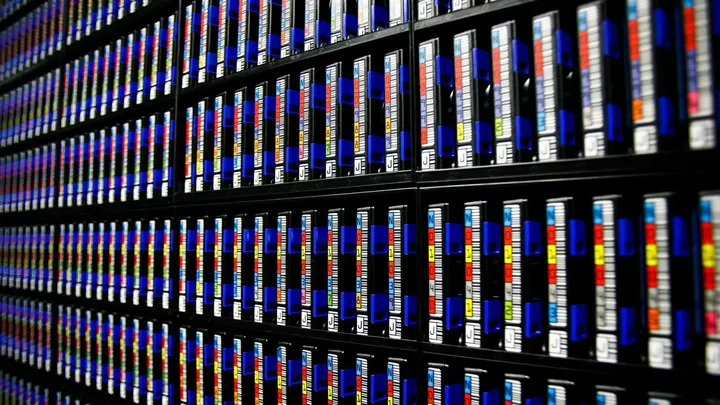
شرکت فوجیفیلم قصد دارد با سرمایهگذاری ۱۰ میلیارد ینی (معادل ۶۳.۳ میلیون دلار) ظرفیت تولید نوارهای مغناطیسی خود را تا ۵ برابر افزایش دهد. این تصمیم با هدف پاسخگویی به تقاضای سرسامآور مراکز داده هوش مصنوعی برای ذخیرهسازی طولانیمدت دادهها اتخاذ شده است.
شرکت ژاپنی فوجیفیلم برنامهریزی کرده است تا ظرفیت تولید نوارهای مغناطیسی ذخیرهسازی داده را تا پنج برابر افزایش دهد تا بتواند پاسخگوی تقاضای رو به رشد ناشی از گسترش جهانی مراکز داده هوش مصنوعی باشد. این شرکت مبلغ ۱۰ میلیارد ین معادل ۶۳.۳ میلیون دلار را در کارخانه خود واقع در اوداوارا تا پایان سال مالی ۲۰۲۸ هزینه خواهد کرد. بر اساس گزارش نیککی آسیا، این اقدام امکان تولید نوارهای پیشرفتهتری با ظرفیتهای تا ۱۰۰ ترابایت را فراهم خواهد کرد و بزرگترین سرمایهگذاری این شرکت در حوزه ذخیرهسازی مبتنی بر نوار طی دو دهه گذشته به شمار میرود.
نوارهای مغناطیسی در حال حاضر گزینه اصلی مراکز داده در سراسر جهان برای پشتیبانگیری طولانیمدت از دادهها محسوب میشوند. اگرچه این نوارها از نظر عملکردی از درایوهای حالت جامد و هارد درایوهای سنتی عقبتر هستند، اما از نظر دوام و هزینه نسبتاً پایین برای ذخیره حجم عظیمی از دادهها رقیب سرسختی ندارند. ذخیرهسازی با نوار مغناطیسی میتواند تا یک چهارم هارد درایوها و حتی کمتر از SSDهای سریع هزینه داشته باشد که آن را به راهکاری بینقص برای دادههای سرد یعنی اطلاعاتی که به ندرت به آنها دسترسی پیدا میشود، تبدیل میکند.
در حالی که فوجیفیلم نوارهای ۱۰۰ ترابایتی تولید خواهد کرد، نقشه راه LTO امکان ظرفیتهای به مراتب بیشتری را تا ۳۶۵ ترابایت به ازای هر کارتریج فراهم میکند. در همین حال، سایر شرکتهای حوزه ذخیرهسازی مانند توشیبا، سیگیت و وسترن دیجیتال نیز در حال تلاش برای افزایش ظرفیتها هستند و توشیبا اوایل همین ماه از برنامههای خود برای دو برابر کردن ظرفیت تولید هارد دیسک خبر داد. تقاضا برای ذخیرهسازی در مراکز داده هوش مصنوعی به حدی بالا است که در کانون کمبود جهانی قرار دارد و باعث سر به فلک کشیدن قیمتها شده است.
Fujifilm plans 5x production boost of 100TB magnetic storage tapes driven by skyrocketing AI storage demand — $63 million injection is the largest investment in tape for 20 years
Fujifilm plans to boost production of magnetic tape by as much as 5x as it works to keep up with demand for the data storage medium that has seen a jump in popularity amid ongoing global AI data center buildouts. The Japanese firm will spend 10 billion yen ($63.3 million) to increase capacity at its Odawara plant throughout its fiscal year 2028. The move will enable it to produce more advanced tapes with capacities…
Fujifilm plans 5x production boost of 100TB magnetic storage tapes driven by skyrocketing AI storage demand — $63 million injection is the largest investment in tape for 20 years
The move will see the company's largest investment in tape-based data center storage medium in the last two decades.
Fujifilm plans to boost production of magnetic tape by as much as 5x as it works to keep up with demand for the data storage medium that has seen a jump in popularity amid ongoing global AI data center buildouts. The Japanese firm will spend 10 billion yen ($63.3 million) to increase capacity at its Odawara plant throughout its fiscal year 2028. The move will enable it to produce more advanced tapes with capacities of up to 100TB each, Nikkei Asia reports. The expansion of production capacity will mark the company's largest investment in tape-based storage in around 20 years. Fujifilm first began working on magnetic tape technology back in 1954 when it was used for television broadcasting equipment.
Nowadays, magnetic tape is the go-to storage option for data centers everywhere as a form of long-term data backup. While tapes lag behind solid-state drives and traditional spinning hard disks in terms of performance, tapes are hard to beat when it comes to their durability and relatively low cost for storing huge amounts of data. Magnetic tape storage can cost as little as one-quarter that of hard disks, and even less when compared to faster SSDs. That makes them the perfect solution for so-called cold data, information that is rarely accessed but could be considered mission-critical and must be stored safely. Tape storage isn't just cheaper, either, with research showing that it's also less polluting than hard disks and SSDs.
While Fujifilm will produce 100TB tapes, the Linear Tape-Open (LTO) roadmap allows for considerably larger capacities, all the way to 365TB per cartridge. By comparison, SSDs top out at around 256TB and cost considerably more.
Fujifilm is far from the only storage company looking to take advantage of the AI data center boom. Toshiba announced earlier this month its plans to double hard disk production capacity amid shortages, and the company, alongside Seagate and WD, is working towards ever-increasing capacities. Kioxia and SanDisk are also getting in on the act after detailing 332-layer 3D NAND flash in August. The pair hope to bring higher storage capacities to SSDs for data center use.
The demand for AI data center storage is so high that it's at the heart of a global shortage that shows little sign of improving anytime soon. Scarcity has seen prices skyrocket, while manufacturers have chosen to divert resources away from consumer-focused products, instead focusing on the more lucrative enterprise market.
Follow Tom's Hardware on Google News, or add us as a preferred source, to get our latest news, analysis, & reviews in your feeds.
Get Tom's Hardware's best news and in-depth reviews, straight to your inbox.
Oliver Haslam has written about technology of all shapes and sizes for over 15 years, both online and in print. He's fascinated by how personal computing continues to change as tower PCs give way to foldable phones and beyond.
Source report: Tom's Hardware.
گزارش فارسی این خبر با کمک هوش مصنوعی و فقط بر اساس اطلاعات منتشرشده در منبع تهیه شده است.