ابداع محققان سنگاپور: فیبرهای الکترونیکی که آستین لباس را به نمایشگر لمسی تبدیل میکنند [تماشا کنید]
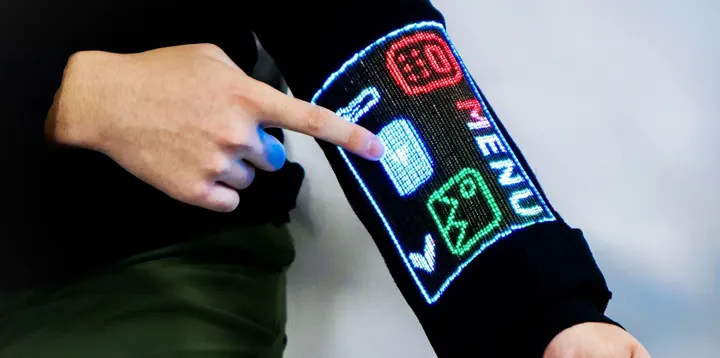
تنفسپذیری این پارچه با پارچههای پنبهای قابل مقایسه است و میتوان آن را در یک لباس کامل با حسگرهای پایش سلامت ترکیب کرد.
ابداع محققان سنگاپور: فیبرهای الکترونیکی که آستین لباس را به نمایشگر لمسی تبدیل میکنند [تماشا کنید]
تنفسپذیری این پارچه با پارچههای پنبهای قابل مقایسه است و میتوان آن را در یک لباس کامل با حسگرهای پایش سلامت ترکیب کرد.
پژوهشگران دانشگاه ملی سنگاپور (NUS) نوعی فیبر الکترونیکی ساختهاند که میتواند پارچه لباس را به یک نمایشگر انعطافپذیر و لمسی تبدیل کند. این فناوری امکان نمایش تصویر و ویدیو، پاسخ به لمس انگشت و اتصال بیسیم به دستگاههای دیجیتال را فراهم میکند، بدون آنکه به نمایشگر سخت و جداگانهای نیاز باشد. نمونه اولیه این فناوری حتی پس از ۵۰ بار شستوشو با ماشین لباسشویی، عملکرد خود را تقریباً حفظ کرد.
گروه پژوهشی به سرپرستی «تورال خدییف» (Tural Khudiyev)، استادیار دانشگاه ملی سنگاپور، ۵۴ فیبر حاوی قطعات الکترونیکی را در قسمت ساعد یک آستین به کار بردهاند. هر فیبر شامل ریزتراشههای LED و لایههای حساس به لمس است. مجموعه این رشتهها نمایشگری با وضوح ۹۶ در ۵۴ پیکسل و ابعاد ۱۶۸ در ۱۰۵ میلیمتر ایجاد میکند که با سرعت ۳۰ فریم در ثانیه بهروزرسانی میشود.
این نمایشگر میتواند عکس و ویدیو پخش کند، برنامههای ماشینحساب و قطبنما را اجرا کند و تصاویر را از طریق بلوتوث دریافت کند. همچنین، رشتههای دیگری در لباس برای تعبیه میکروفون، بلندگو و حسگرهای حرکتی، دما، جهت مغناطیسی و نور محیط به کار رفتهاند. برای مثال، حسگری که زیر بازو قرار میگیرد، میتواند دمای بدن را اندازهگیری کند و عدد آن را روی خود آستین نشان دهد.
برای دیدن عملکرد این فناوری، میتوانید ویدیوی زیر را تماشا کنید.
فیبر الکترونیکی چگونه لمس انگشت را تشخیص میدهد؟
ساخت مدارهای پیچیده در یک رشته باریک، به دلیل شکل استوانهای و فضای محدود آن، چالشبرانگیز است. پژوهشگران برای حل این مسئله، روشی ابداع کردند که امکان اتصال هزاران قطعه الکترونیکی را در امتداد یک فیبر فراهم میکند.
آنها با استفاده از لیزر نقاط مشخصی از سیمهای عایقشده را آشکار میکنند و سپس با هدایت لحیم مذاب به این نقاط، اتصالات الکتریکی موردنیاز را ایجاد میکنند. به این ترتیب، بیش از ۵۰۰۰ تراشه از طریق بیش از ۲۰ هزار اتصال الکتریکی به یکدیگر متصل شدند.
در ساختار این فیبر، لایه حساس به لمس زیر LEDها قرار دارد. وقتی کاربر رشته را لمس میکند، مدار الکتریکی در محل تماس کامل میشود و سیستم محل لمس را تشخیص میدهد تا نزدیکترین پیکسل روشن شود. بنابراین، نمایش تصویر و تشخیص لمس درون خود رشته انجام میشود، نه با اتصال جداگانه قطعات الکترونیکی به لباس.
پژوهشگران میگویند پس از ۵۰ بار شستوشو با مواد شوینده و هزار بار خمکردن فیبر، شدت نور و عملکرد لمسی نمایشگر تقریباً بدون تغییر باقی ماند. همچنین، قابلیت تنفسپذیری پارچه با پنبه، پلیاستر و جین قابل مقایسه بود و این محصول در محدودههای تعیینشده برای ایمنی تماس با پوست قرار داشت.
در آینده، این فناوری را میتوان در لباسهایی به کار برد که اطلاعات سلامت را از طریق حسگرهای تعبیهشده جمعآوری و مستقیماً روی پارچه نمایش میدهند. بااینحال، پایش شخصیسازیشده سلامت با کمک هوش مصنوعی هنوز از قابلیتهای اثباتشده نمونه فعلی فراتر است. پژوهشگران قصد دارند وضوح نمایشگر را افزایش دهند، حسگرهای بیشتری به آن اضافه کنند و امکان اجرای هوش مصنوعی روی خود لباس را بررسی کنند.
محققان جزئیات این پژوهش را در ژورنال Nature منتشر کردهاند.
Singapore Researchers Develop Electronic Fibers That Turn Clothing Sleeves into Touch Displays
Researchers at the National University of Singapore have developed electronic fibers that transform clothing fabric into a flexible, touch-sensitive display capable of showing images, videos, and running basic apps. The prototype fabric maintains its functionality after multiple machine washings and can be integrated with health-monitoring sensors.
Researchers at the National University of Singapore (NUS) have developed a type of electronic fiber that can turn clothing fabric into a flexible and touch-sensitive display. This technology enables the display of images and videos, finger touch response, and wireless connection to digital devices without the need for a separate rigid screen. The prototype of this technology maintained its performance almost entirely even after being washed 50 times in a washing machine.
The research group, led by Tural Khudiyev, an assistant professor at NUS, used 54 fibers containing electronic components in the forearm section of a sleeve. Each fiber includes LED microchips and touch-sensitive layers. Together, these strands create a display with a resolution of 96 by 54 pixels and dimensions of 168 by 105 millimeters, updating at a rate of 30 frames per second.
This display can broadcast photos and videos, run calculator and compass applications, and receive images via Bluetooth. Additionally, other strands in the clothing are used to embed microphones, speakers, and sensors for motion, temperature, magnetic orientation, and ambient light. For instance, a sensor placed under the arm can measure body temperature and display the reading directly on the sleeve.
Building complex circuits within a narrow strand is challenging due to its cylindrical shape and limited space. To solve this problem, researchers devised a method that allows thousands of electronic components to be connected along a single fiber. Using a laser, they expose specific points on insulated wires and then use molten solder to create the necessary electrical connections. In this way, more than 5,000 chips were connected through over 20,000 electrical connections.
In the structure of this fiber, the touch-sensitive layer is located beneath the LEDs. When a user touches the strand, the electrical circuit is completed at the contact point, allowing the system to detect the touch location and illuminate the nearest pixel. Thus, image display and touch detection occur within the strand itself rather than through separate electronic components attached to the clothing.
Researchers state that after 50 washes with detergent and a thousand bendings of the fiber, the brightness and touch performance of the display remained nearly unchanged. Furthermore, the breathability of the fabric was comparable to cotton, polyester, and denim, and the product fell within established safety limits for skin contact.
In the future, this technology could be used in garments that collect health information through embedded sensors and display it directly on the fabric. However, personalized health monitoring with the help of artificial intelligence remains beyond the proven capabilities of the current prototype. The researchers plan to increase the display resolution, add more sensors, and explore the possibility of running artificial intelligence directly on the clothing.
The researchers published the details of this study in the journal Nature.
English version written with AI from the Persian report by دیجیاتو.