هشدار درباره تاثیر مخرب دیتاسنترهای آمریکا بر انتشار گازهای گلخانهای و خنثیسازی ۱۵ سال پیشرفت زیستمحیطی
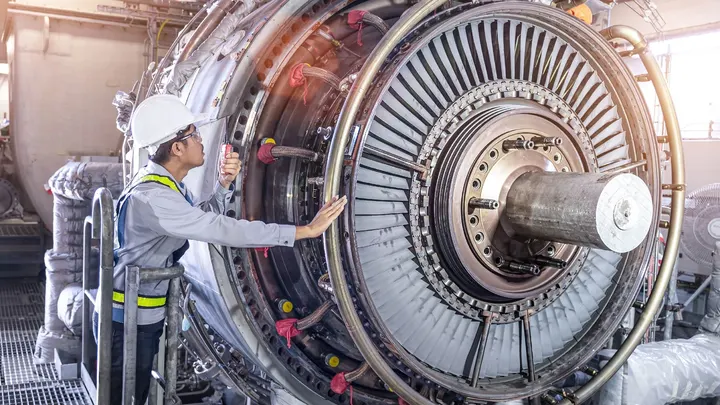
بر اساس گزارش جدید سازمان سیرا کلاب، توسعه سریع دیتاسنترهای هوش مصنوعی در ایالات متحده میتواند تا سال ۲۰۳۰ معادل کل کشور مکزیک دیاکسید کربن تولید کند. این روند نگرانکننده ممکن است ۱۵ سال پیشرفت در زمینه کاهش گازهای گلخانهای را از بین ببرد.
مسیر دستیابی به فناوریهای هوش مصنوعی با توربینهای گاز طبیعی هموار میشود و نگرانیها درباره اثرات زیستمحیطی دیتاسنترها در حال افزایش است. سازمان سیرا کلاب، یکی از قدیمیترین سازمانهای حفظ محیط زیست در ایالات متحده، برآورد کرده است که تا سال ۲۰۳۰، توسعه دیتاسنترها در این کشور بهریختی معادل کل کشور مکزیک دیاکسید کربن وارد جو خواهد کرد و پیشرفتهای حاصلشده در کاهش گازهای گلخانهای را ۱۵ سال به عقب خواهد راند.
جرمی فوشر، مشاور ارشد اقلیم و انرژی در این سازمان، به افزایش چشمگیر آمارها اشاره میکند. بر اساس برآوردها، با ورود دیتاسنترهای در دست ساخت، میزان انتشار دیاکسید کربن بخش برق ایالات متحده تا پایان دهه جاری به ۲.۱ میلیارد تن متریک خواهد رسید که نشاندهنده افزایشی ۴۲ درصدی نسبت به آمارهای سال ۲۰۲۵ است. پیشبینیهای قبلی پژوهشگران بسیار کمتر از این ارقام بود.
اگرچه تعدادزایندگی قوانین سختگیرانهای برای استفاده از انرژیهای پاک در دیتاسنترهای جدید وضع میکنند، اما این قوانین معمولاً عطف به ماسبق نمیشوند و دارای دورههای گذار طولانی هستند. در بازار کنونی که تحت تاثیر هوش مصنوعی قرار دارد، سرعت ساختوساز حرف اول را میزند و حدود ۴۰ درصد دیتاسنترهای ایالات متحده با توربینهای گاز طبیعی تغذیه میشوند.
تقاضای بالا برای تجهیزات، قیمت توربینها را تا ۵۰ درصد افزایش داده و خطوط تولید سالها با عقبافتادگی مواجه هستند. با این حال، برخی کارشناسان معتقدند پیشبینی دقیق آینده دشوار است، زیرا موانعی مانند دسترسی به توربینها، تاخیر در اتصال به شبکه برق و مخالفاتهای محلی وجود دارد که ممکن است مانع از تکمیل بسیاری از این پروژهها شود.
US data centers could wipe out 15 years' worth of progress in greenhouse gas emissions, report claims — buildouts could emit as much carbon dioxide as all of Mexico
Concerns have been mounting everywhere about the environmental impact of data centers, with alarms ringing at various environmental think tanks. The Sierra Club, one of the oldest environmental preservation organizations in the U.S., has now put forth an estimate that by 2030, U.S. data center buildouts will be outputting as much carbon dioxide as the entirety of Mexico, pushing back progress on greenhouse gas…
US data centers could wipe out 15 years' worth of progress in greenhouse gas emissions, report claims — buildouts could emit as much carbon dioxide as all of Mexico
The path to AI gold is paved with natural gas turbines.
Concerns have been mounting everywhere about the environmental impact of data centers, with alarms ringing at various environmental think tanks. The Sierra Club, one of the oldest environmental preservation organizations in the U.S., has now put forth an estimate that by 2030, U.S. data center buildouts will be outputting as much carbon dioxide as the entirety of Mexico, pushing back progress on greenhouse gas reduction by 15 years, Bloomberg reports.
The Club's principal advisor for climate and energy, Jeremy Fusher, puts it plainly: "the numbers continue to sort of boggle our minds." He's referring to an estimate that with the output from pending data center builds, the output from the U.S. power sector is set to put 2.1 billion metric tons of CO2 in the atmosphere by the end of the decade, an uptick of 42% compared to 2025 figures. The researchers' previous estimates were between a quarter and half of the current projections.
An increasing number of countries and states are enacting laws demanding that new data center builds have a large portion of their power generated by green sources. However, those laws rarely apply retroactively, and oftentimes have a phase-in period. Even the Irish law on the matter demanding that new data centers be fed by 80% of renewable power only requires that that happens six years after they're powered up.
In the current AI-driven market, speed of construction is king. Roughly 40% of U.S. data centers are fed by natural gas turbines, and the situation doesn't look like it'll be changing much. It'll likely get worse, as the addition of green sources almost assuredly won't keep up with demand. Much like RAM, GPUs, and storage, turbines were all slurped up by data centers. Their prices have risen by 50%, and production is backlogged for years, with one maker stating it's opening slots for production in 2032.
Having said all that, Brendan Pierpont from Energy Innovation, another climate-concerned organization, points out that although the current path looks dangerous for the environment, it's hard to make a hard prediction of how the situation will play out. He justifies his position with common data center roadblocks: the availability of turbines, delays in grid connections, and other delay factors.
Truth be told, at this point it's hard to predict how many data centers will actually reach completion, given that requests for permits far exceed available grid capacity across the U.S., and a sizable number of buildouts are encountering strong opposition. Plus, although the AI bubble is still alive and well, concerns started to arise about the economics of hyperscalers, indicating some may go the way of the dodo — and their projects along with them.
Follow Tom's Hardware on Google News, or add us as a preferred source, to get our latest news, analysis, & reviews in your feeds.
Get Tom's Hardware's best news and in-depth reviews, straight to your inbox.
Bruno Ferreira is a contributing writer for Tom's Hardware. He has decades of experience with PC hardware and assorted sundries, alongside a career as a developer. He's obsessed with detail and has a tendency to ramble on the topics he loves. When not doing that, he's usually playing games, or at live music shows and festivals.
Source report: Tom's Hardware.
گزارش فارسی این خبر با کمک هوش مصنوعی و فقط بر اساس اطلاعات منتشرشده در منبع تهیه شده است.