جریمه ۱۵ هزار دلاری و حبس برای فعالسازی غیرمجاز قابلیت FSD تسلا در کره جنوبی
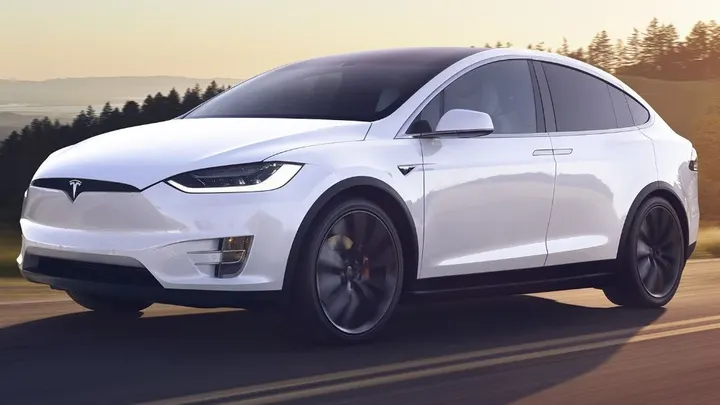
مقامات کره جنوبی دهها راننده تسلا را که با دور زدن محدودیتهای نرمافزاری قابلیت رانندگی خودکار FSD را فعال کرده بودند شناسايی کردند. متخلفان با جریمه ۱۵ هزار دلاری و تا دو سال حبس مواجه هستند.
پلیس کره جنوبی ۸۰ راننده تسلا را شناسايی کرده است که با استفاده از سختافزارهای غیرمجاز، قابلیت رانندگی خودکار (FSD) را روی خودروهایی که مجوز قانونی نداشتند فعال کرده بودند. در این راستا، ۲۱ دستگاه ماژول آنلاک که به شبکه داخلی CAN bus خودرو متصل میشدند توسط پلیس ضبط شده است.
این ماژولها قفل نرمافزاری منطقهای تسلا را دور میزنند؛ چرا که شرکت Tesla رایانه سختافزاری یکسانی روی تمام خودروها نصب میکند، حتی اگر برخی ویژگیها در منطقه مربوطه تأییدیه نگرفته باشند. برخی از متهمان ماژولها را از اروپا و چین وارد کرده و برخی دیگر با استفاده از آموزشهای آنلاین و پلتفرم GitHub ماژولهای اختصاصی ساخته بودند.
طبق قانون مدیریت وسایل نقلیه در کره جنوبی، تغییرات نرمافزاری غیرمجاز که ایمنی خودرو را بهخطر بیندازد حداکثر دو سال حبس یا جریمهای تا ۲۰ میلیون وون (حدود ۱۵ هزار دلار) به همراه دارد. وزارت حملونقل کره جنوبی پیشتر درباره خطرات ایمنی و عملکرد نادرست FSD در شرایط متغیر رانندگی هشدار داده بود.
ریشه اصلی این مشکل عدم دریافت تأییدیه ایمنی برای برخی مدلهای تسلا است. خودروهای Model 3 و Model Y وارداتی از گیقافکتوری شانگهای هنوز مراحل تأییدیه ایمنی محلی را نگذراندهاند. شرکت Tesla نیز اخیراً با بهروزرسانیهای از راه دور اقدام به شناسایی این قطعات و غیرفعالسازی قابلیت FSD کرده است.
South Korea clamps down on Tesla drivers for unlocking restricted full self-driving feature, $15,000 fines and prison possible sentences — suspects imported hardware from Europe and China, then traded tips on concealing activation logs
South Korean authorities have identified 80 Tesla drivers who allegedly forced Full Self-Driving (FSD) onto cars that were never cleared for it, Electrek reports. The Seoul Metropolitan Police Agency says it confiscated 21 of the devices used to switch the feature on. The unlock modules reportedly connect to the car’s CAN bus (the internal network that links its electronic control units) and get around the regional…
South Korea clamps down on Tesla drivers for unlocking restricted full self-driving feature, $15,000 fines and prison possible sentences — suspects imported hardware from Europe and China, then traded tips on concealing activation logs
Tesla’s FSD jailbreak crackdown comes with a $15,000 sting and possible prison time
South Korean authorities have identified 80 Tesla drivers who allegedly forced Full Self-Driving (FSD) onto cars that were never cleared for it, Electrek reports. The Seoul Metropolitan Police Agency says it confiscated 21 of the devices used to switch the feature on. The unlock modules reportedly connect to the car’s CAN bus (the internal network that links its electronic control units) and get around the regional software lock that keeps FSD disabled. That works because Tesla builds the same computer into every car, whether or not the feature is approved locally.
Some suspects bought ready-made units from Europe and China, and one reportedly plugged a European-made module into his own Tesla. Others skipped the shopping. One suspect, an IT worker, built his device using information he found on GitHub, which suggests the barrier to entry for this kind of modification is lower than it sounds. The group also traded tips online, including how to stop the car from keeping any record that FSD had been activated. Concealing the activation history is likely an attempt to avoid detection by Tesla, which has been looking for these devices itself.
Then there is the legal risk, where prosecutors are using the Motor Vehicle Management Act, which bans unauthorized software changes that could affect vehicle safety. In Korea, the maximum penalty is two years in prison or a fine of up to 20 million won, or roughly $15,000, a steep price for a driver-assistance feature that many of these owners had already paid for.
South Korea’s transport ministry first flagged suspicious activations to police in April. “Safety risks were confirmed, including the possibility that FSD may fail to properly recognize driving conditions or operate differently from the driver’s intentions,” a police official said then.
Notably, the root of the problem is a certification gap. Tesla began offering FSD (Supervised) in South Korea in late 2025, but only on US-built Model S, Model X, and Cybertruck units, which skip local safety certification under the Korea-US free trade agreement. The Model 3 and Model Y arrive from Giga Shanghai and have yet to pass. Nobody agrees on how many Korean Teslas are eligible, although Carisyou Data Lab figures cited by MK last month indicate 47,458 of 229,311 cars (20.7%).
The South Korean investigation follows Tesla’s own efforts to stop unauthorized activation. In April, the company began remotely detecting unlock devices and disabling FSD access on affected vehicles. It has also warned owners that unauthorized modifications could void warranty coverage and leave them liable for crashes. Moreover, the restrictions are not the first time Tesla’s software protections have come under scrutiny. In August 2023, researchers exploited a hardware security flaw in the AMD processor powering Tesla’s media control unit to unlock certain paid features. The exploit targeted the car’s AMD-based system-on-chip, although researchers did not confirm that every premium feature could be unlocked.
Tesla has also faced regulatory scrutiny over software restrictions. In December 2021, the US National Highway Traffic Safety Administration investigated the company after an over-the-air update allowed drivers to play certain games while their vehicles were moving. The case highlighted how software changes can raise safety concerns when features are accessible under conditions regulators consider unsafe. Hardware reliability is another challenge for Tesla. Last year, the company detailed how it identifies defective processor cores in its Dojo AI supercomputers, where a single faulty component can compromise lengthy training runs.
Get Tom's Hardware's best news and in-depth reviews, straight to your inbox.
Follow Tom's Hardware on Google News, or add us as a preferred source, to get our latest news, analysis, & reviews in your feeds.
Newton Gitonga is a tech journalist covering gadgets, PC hardware, AI, data centers, and the wider tech industry. His interest in technology started early, taking apart things around the house to see how they worked, often to his dad’s frustration. His curiosity sometimes got the better of him, including a few failed attempts to fix laptops, one of them a gifted Dell XPS. He has previously written for Notebookcheck, ZyCrypto, CoinCentral, and Crypto News Flash.
Source report: Tom's Hardware.
گزارش فارسی این خبر با کمک هوش مصنوعی و فقط بر اساس اطلاعات منتشرشده در منبع تهیه شده است.