ریویان همکاری مشترک خود با فولکسواگن را با دستیار صوتی هوش مصنوعی گسترش میدهد
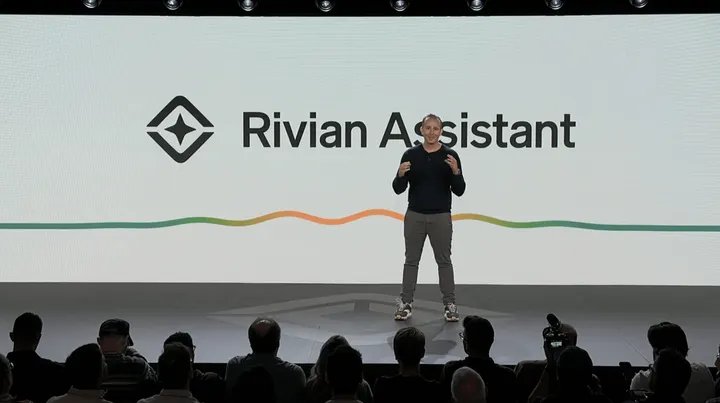
شرکت ریویان اعلام کرد که توافقنامه همکاری مشترک ۵.۸ میلیارد دلاری خود با فولکسواگن را توسعه داده و حالا شامل لایسنس فناوری دستیار صوتی هوش مصنوعی این شرکت نیز میشود. این فناوری جدید قرار است در خودروهای آینده فولکسواگن از جمله مدل الکتریکی ارزانقیمت ID EVERY1 مورد استفاده قرار گیرد.
همکاری مشترک ۵.۸ میلیارد دلاری میان ریویان و گروه فولکسواگن با اضافه شدن دستیار هوش مصنوعی گسترش یافته است. طبق ارائهشده در گزارش سرمایهگذاران سه ماهه سوم ریویان، این شرکت اکنون بخشهایی از فناوری دستیار صوتی هوش مصنوعی خود را به گروه فولکسواگن لایسنس میکند.
ریویان هزینه این لایسنس و شرایط پرداخت را فاش نکرده است، اما این دستیار صوتی ممکن است برای نخستین بار در خودروی الکتریکی ارزانقیمت فولکسواگن موسوم به ID EVERY1 ظاهر شود. این هاچبک کوچک چهاردر قرار است نخستین خودروی فولکسواگن باشد که از معماری نرمافزاری و الکتریکی ریویان استفاده میکند.
ریویان این توسعه را گواهی بر قابلیت گسترش پلتفرم داخلی خود توصیف کرده است. این شرکت دو سال را صرف توسعه دستیار هوش مصنوعی خود کرده بود و در نهایت آن را در ماه سپتامبر ۲۰۲۶ روی خودروهای R1S، R1T و SUV سایز متوسط جدید یعنی R2 عرضه کرد. این اقدام بخشی از تلاشهای ریویان برای یکپارچهسازی عمودی سیستمهای سختافزاری و نرمافزاری خود به شمار میرود.
Rivian expands joint venture with VW to include AI assistant
Rivian doesn't disclose if the value of its $5.8 billion joint venture will expand as a result.
The $5.8 billion joint venture between Rivian and Volkswagen Group is expanding to include AI assistants.
Rivian is now licensing elements of its AI voice assistant technology to Volkswagen Group as part of the broader joint venture, according to the company’s third-quarter investor presentation released Thursday.
Rivian didn’t disclose the licensing fees, payment terms, or which Volkswagen vehicles will use the technology. However, the AI assistant, which recently rolled out to Rivian vehicles, could make its Volkswagen debut in the automaker’s low-cost EV called the ID EVERY1. The small four-door hatchback is slated to be the first VW vehicle to use Rivian’s software and electrical architecture under the joint venture established in 2024.
The joint venture between Rivian and VW Group has already expanded once before, at least financially. The companies initially announced a joint venture valued up to $5 billion, but within months VW upped its commitment to invest up to $5.8 billion in Rivian by 2027. The initial tie-up, formalized through an independent company that kicked off in November 2024, focused on bringing Rivian’s electrical architecture and software to Volkswagen’s next-generation of vehicles.
Rivian described the expansion to include elements of its AI assistant technology as “a proof point for the extensibility of the platform we’ve built in-house.”
Rivian spent two years developing its AI assistant before showing it off last year. That development work continued longer than expected, with the assistant finally rolling out in September 2026 to its flagship R1S SUV, R1T pickup truck, and new midsize R2 SUV.
Rivian has big aspirations for its AI assistant, which allows drivers and passengers to interact with the vehicle and control certain functions. Rivian founder and CEO RJ Scaringe told TechCrunch onstage at Disrupt 2026 that the company has created its own in-house agentic framework that understands what action a person wants to take when they talk to the vehicle, and routes it to the right part of the car’s software. That capability could eventually allow Rivian vehicles to run AI agents created by other companies, including Anthropic.
The in-house AI assistant program also fits into Rivian’s push to become more vertically integrated — a strategy the company emphasized in its third-quarter earnings report.
“Our relentless focus on vertical integration remains a core competitive differentiator, allowing Rivian to seamlessly unify our hardware and software architecture to deliver significant value to our customers,” the company noted in its investor presentation.
That strategy led to Rivian overhauling its flagship R1T truck and R1S SUV, changing everything from the battery pack and suspension system to the electrical architecture, sensor stack, and software user interface. Its new electric architecture system and compute platform slashed the amount of wiring used and reduced the total number of electronic control units, or computers, used to control the vehicle from 17 different ECUs to seven. That foundation, Rivian argued, would allow it to build vehicles that can handle the computing demands required for advanced software and automated driving.
That technology caught the attention (and money) of VW, which has struggled to offer customers a modern software-centric vehicle found in competitors like Tesla.
Rivian made that vertical-integration case repeatedly in its investor presentation, noting that because it controls the entire technology stack, including compute, sensors, displays, lighting and sound, “it can roll out rapid, vehicle-wide OTA updates that go well beyond the basics. “
Source report: TechCrunch AI.
گزارش فارسی این خبر با کمک هوش مصنوعی و فقط بر اساس اطلاعات منتشرشده در منبع تهیه شده است.