Nvidia RTX PRO 6000 user’s cables almost melted, even when limited to 500W
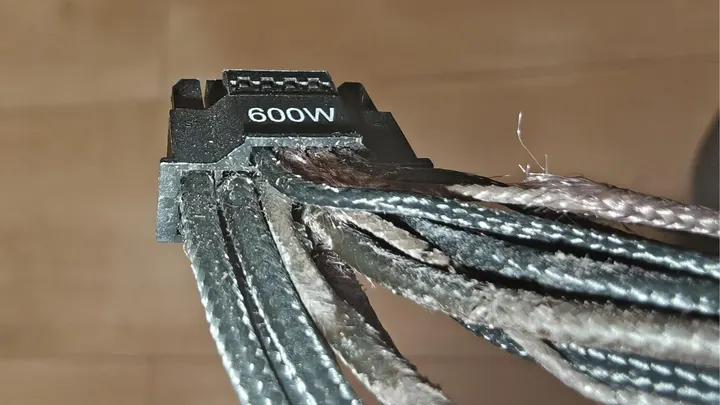
Reddit user u/Doomslayer606 posted about frayed braided sleeving on both 12V-2x6 cables for their two RTX PRO 6000 Blackwell Workstation GPUs the other day, asking whether it’s normal cable degradation or a sign of overheating. The GPUs were running at 500W, below the maximum 600W power draw, but commenters are confident it’s overheated cables, as the poster reports stiff, cracked, and easily peeling sleeves on only…
Nvidia RTX PRO 6000 user’s cables almost melted, even when limited to 500W — 12V-2x6 cables appear to still cause problems, show clear signs of melting
12V-2x6 strikes again, but thankfully it didn't take out a GPU this time.
Reddit user u/Doomslayer606 posted about frayed braided sleeving on both 12V-2x6 cables for their two RTX PRO 6000 Blackwell Workstation GPUs the other day, asking whether it’s normal cable degradation or a sign of overheating. The GPUs were running at 500W, below the maximum 600W power draw, but commenters are confident it’s overheated cables, as the poster reports stiff, cracked, and easily peeling sleeves on only some of the wires.
u/Doomslayer606 posted on r/PcBuild with the title “Did I just save my RTX PRO 6000 GPUs from melting?” with photos of the 12V-2x6 cable’s braided sleeving frayed. The poster asked in the description whether this was normal degradation, a manufacturing issue, or overheating. The poster reported that the damaged braided sleeving felt stiff and peeled off easily, which is a strong indication of heat damage, and the comments were sure that it was.
Luckily, the poster’s GPUs were safe, but the 12-2x6 connectors are notorious for melting due to high power draw. One comment asked if they kept the stock power limit, to which the poster responded that they lowered both GPUs to 500W — another user responded asking why the poster wouldn’t use 300W, but the poster said it would reduce performance by up to 50% and they need to keep up with their deadlines.
Theoretically, the cable should be able to handle 500W, as each positive pin would only handle 6.94 A, which isn’t enough current to significantly heat up 16 AWG wire, but one of the main causes of cable overheating is uneven current distribution across the pins. Since only two of the pins melted on both cables, it’s likely those received high-current spikes often, leading to heat buildup.
Users have suggested aftermarket cables like the Corsair ThermalProtect 12V-2x6 cable that detects overheating cables, and the Thermal Grizzly WireView Pro II or Aqua Computing AMPINEL, which have active current balancing to prevent any wire from taking too much current alone. In a recent story, someone even created a power distributor, distributing the 12 pins into two 8-pin cables with a custom-designed PCB, which lowered the cable temperatures significantly — while another modder had a cursed solution, soldering thick cables directly to the RTX 5090’s power pins.
In an ideal world, consumers shouldn’t need another product or mod their GPUs to stop them destroying themselves. GPUs have only gotten more powerful, but instead of using more or thicker wires, we’re getting fewer wires of the same thickness. Understandably, having multiple 8-pin connectors gets messy, but surely there has to be a better solution. Maybe GPUs have outgrown the Mini-Fit Jr. connectors and need to have their own special connector with thicker pins and thicker wires.
Follow Tom's Hardware on Google News, or add us as a preferred source, to get our latest news, analysis, & reviews in your feeds.
Get Tom's Hardware's best news and in-depth reviews, straight to your inbox.
Follow Tom's Hardware on Google News, or add us as a preferred source, to get our latest news, analysis, & reviews in your feeds.
Jhet Borja is a serial hobbyist who was taking apart toys from childhood and sketching inventions. He now loves doing DIY projects ranging from designing custom 3D-printed parts, building PCs and keyboards, all the way to woodworking. If he's not getting his hands dirty, he's probably brainstorming his next project.