شرکت Mistral مدل هوش مصنوعی یک تریلیون پارامتری خود را با تمرکز بر امنیت سایبری منتشر کرد
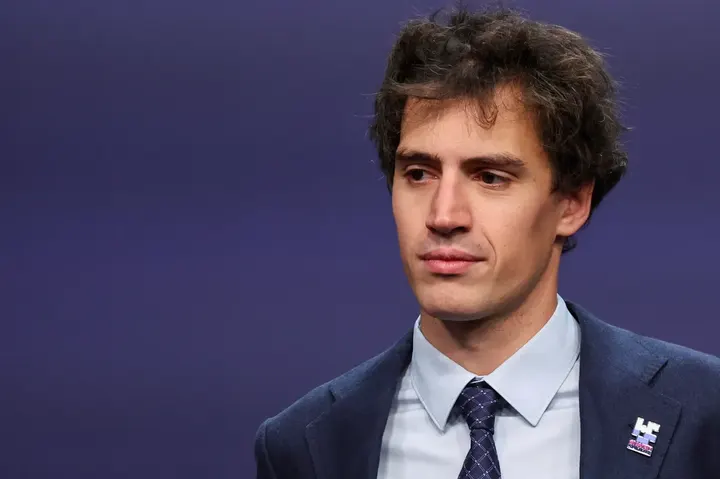
شرکت فرانسوی Mistral وزنهای مدل هوش مصنوعی متنباز خود به نام Mistral Large 4 را منتشر کرد. این مدل که برای دفاع سایبری طراحی شده، به سازمانها کنترل بیشتری روی دادهها و سیستمهایشان میدهد.
شرکت فرانسوی هوش مصنوعی Mistral وزنهای مدل هوش مصنوعی متنباز خود با یک تریلیون پارامتر به نام Mistral Large 4 ملقب به Le Chonk را منتشر کرد تا کسبوکارها و دولتها بتوانند آن را دانلود و مستقر کنند. این اقدام در رقابت میان توسعهدهندگان مدلهای متنباز و ارائهدهندگان مدلهای بسته مانند OpenAI و Anthropic صورت گرفته است.
آرتور منش، مدیرعامل Mistral، بر این باور است که هوش مصنوعی باید ابزاری برای توانمندسازی باشد نه تسلط. با این مدل جدید، شرکت به دنبال دستیابی به عملکرد پیشرفته با کسری از توان محاسباتی و سرمایه شرکتهای بسته است. این مدل متنباز به سازمانها و نهادهای دولتی اجازه میدهد تا امنیت سایبری خود را تقویت کرده و به شناسایی و پاسخ به تهدیدات بپردازند.
Mistral releases weights for its trillion-parameter AI model, targeting cybersecurity
Mistral says its new model can afford organizations a kind of control over its cyber defenses that closed models can't.
French AI company Mistral has released the weights for its trillion-parameter open source AI model Mistral Large 4 (ML4), allowing businesses and governments to download and deploy the system themselves. Nicknamed “Le Chonk,” the model was first introduced earlier this month.
The release comes as competition between open-weight AI developers like Mistral and closed-model providers like OpenAI and Anthropic heats up, with the former arguing that businesses and governments shouldn’t have to rely on outside AI companies for access to advanced capabilities. That argument may hold more weight in cybersecurity, where organizations want more control over their data and systems.
Or, as Mistral’s CEO, Arthur Mensch, explained, AI should “be a tool for empowerment, not dominance.” With Chonk, Mistral doubles down on that position, arguing that it’s able to achieve “state-of-the-art performance” at a “fraction of the compute and capital committed by closed labs.”
The release of the model’s weights — the numerical training that animates the system — ensures that other companies and government agencies will now be able to deploy ML4 for their own purposes.
Mistral says that its model is comparable in terms of performance with a Chinese open-weight competitor, GLM-5.3, which was previously considered one of the best open-weight models in the world — particularly when it comes to cyber work. However, Mistral’s model uses 47 percent fewer tokens per task, making it significantly more economical than GLM-5.3.
The company also claims that the model outranks all other open models when it comes to agentic coding tasks on Artificial Analysis’ Coding Agent Index, an AI benchmarking site.
“Amid growing cyber threats, ML4 brings state-of-the-art sovereign cyber defense capabilities to enterprises and governments globally,” the company said Thursday. “Enterprise and public sector institutions can now download, deploy, and own frontier AI to detect, analyze, and respond to threats across code and IT infrastructure.”
The weights for ML4 are being made available on Hugging Face and via its API.
Pierre Stock, Vice President of Science at Mistral, told TechCrunch that the release of the model’s weights meant that organizations will have more control over how they use AI to defend themselves.
“Concretely, it means that, for instance, as a business company or as a government, you’re able to have access to frontier intelligence to defend yourselves against cyberattacks. Access that can’t be cut off by definition because the model is open-weighted,” he said.
Stock added that the model could be used to “identify, coordinate, and respond in real time to major security incidents, and that the open sourcing means that companies can deploy this model on-prem in their own ecosystem.
While advances in AI cybersecurity are helping security professionals to find bugs at a much higher rate than before, Stock continued, he believes it’s important for companies to “provide [this same] capability to everyone…as soon as possible to ramp up and to strengthen the ecosystem,” given that “some malicious actors might try to actually leverage their own technology to attack.”
Separately, Stock addressed concerns about recent incidents involving rogue AI agents, acknowledging the risks but cautioning against overreacting.
“We don’t want to fearmonger people. We think it’s a problem that is solvable. It’s a hard problem to have good security,” he said.
Source report: TechCrunch AI.
گزارش فارسی این خبر با کمک هوش مصنوعی و فقط بر اساس اطلاعات منتشرشده در منبع تهیه شده است.