هشدار متخصصان: داروهای لاغری GLP-1 میتوانند اختلالات خوردن را تشدید کنند
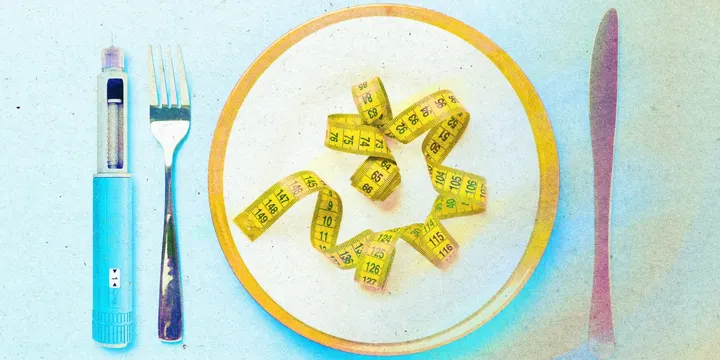
نتایج یک پژوهش تازه نشان میدهد ابتلا به اختلالات خوردن مانند بیاشتهایی و پرخوری عصبی بین سالهای ۱۹۹۰ تا ۲۰۲۳ حدود ۷۱ درصد افزایش یافته است. روانشناسان بالینی هشدار میدهند سوءاستفاده از داروهای لاغری محبوب GLP-1 میتواند این بحران سلامتی را عمیقتر کند.
یک مطالعه جدید که در JAMA Psychiatry منتشر شده است نشان میدهد ابتلا به اختلالات خوردن از جمله بیاشتهایی عصبی (آلورکسی) و پرخوری عصبی (بولیمیا) در بین سالهای ۱۹۹۰ تا ۲۰۲۳ با جهش چشمگیر ۷۱ درصدی همراه بوده است. پژوهشگران تخمین میزنند که تا سال ۲۰۲۳ حدود ۱۸.۱ میلیون نفر در سراسر جهان به یکی از این دو بیماری مبتلا شدهاند. با این حال، متخصصان حوزه روانشناسی بالینی تاکید میکنند که آمار واقعی اختلالات خوردن بسیار بیشتر است، زیرا این دو بیماری کمتر از نصف تمامی انواع اختلالات خوردن را تشکیل میدهند.
پژوهشگران مرکز بیمارستان کودکان دانشگاه علوم پزشکی نانجینگ در چین با تحلیل دادههای ۲۰۰ کشور و قلمرو پیشبینی کردهاند که تا سال ۲۰۵۰، تعداد مبتلایان به این دو اختلال به ۲۱.۸ میلیون نفر خواهد رسید. بر اساس این مطالعه، اختلالات مذکور تنها در سال ۲۰۲۳ معادل ۳.۸۳ میلیون سال زندگی سالم را به سلامت جهانی خسارت زدهاند. متخصصان عواملی مانند الگوریتمهای شبکههای اجتماعی که محتوای تبلیغکننده لاغری مفرط را به کاربران نمایش میدهند و همچنین انزوای ناشی از دوران همهگیری کووید-۱۹ را در افزایش سن ابتلا و شدت بیماری دخیل میدانند.
در این میان، ظهور و محبوبیت فراگیر داروهای کاهش وزن GLP-1 که یکی از بزرگترین پیشرفتهای زیستفناوری دهه اخیر بهشمار میروند، نگرانی شدید روانشناسان را برانگیخته است. مطالعات مقدماتی نشان میدهند برخی از افراد مبتلا به اختلالات خوردن دست به سوءاستفاده از این داروها میزنند. گزارشها حاکی از آن است که حتی کودکان و نوجوانان نیز ممکن است پس از دریافت این داروها یا تهیه غیرقانونی آنها از بستر شبکههای اجتماعی نظیر TikTok، دچار اختلالات خوردن شدیدتر شوند.
پزشکان و پژوهشگران هشدار میدهند که مصرف داروهای GLP-1 توسط افراد مبتلا به اختلالات خوردن میتواند منجر به افت وزن شدیدتر و سریعتر شده و روند درمان را پیچیدهتر کند. آنها به پزشکان توصیه میکنند پیش از تجویز این داروها، وضعیت بیماران را از نظر سابقه اختلالات خوردن غربالگری کرده و نظارت دقیقتری بر روند درمان داشته باشند.
Eating disorders are on the rise. GLP-1s could make things worse.
GLP-1 weight-loss drugs are one of the biggest biotech breakthroughs of the last decade. But to some clinical psychologists, they can represent something more sinister—a potential trigger for eating disorders. A new report suggests that the global incidence of anorexia nervosa and bulimia nervosa shot up between 1990 and 2023—by a whopping 71%. By 2023, there were an estimated 18.1 million people living with one of…
Eating disorders are on the rise. GLP-1s could make things worse.
Emerging evidence suggests some people with eating disorders are misusing weight-loss drugs.
GLP-1 weight-loss drugs are one of the biggest biotech breakthroughs of the last decade. But to some clinical psychologists, they can represent something more sinister—a potential trigger for eating disorders.
A new report suggests that the global incidence of anorexia nervosa and bulimia nervosa shot up between 1990 and 2023—by a whopping 71%. By 2023, there were an estimated 18.1 million people living with one of these two disorders.
What’s worse is that the number is likely to be much higher than that once we factor in other eating disorders. And, disturbingly, those in the field are already starting to see GLP-1 weight-loss drugs exacerbating the issue.
Cheri Levinson is a clinical psychologist at the University of Louisville in Kentucky who has specialized in eating disorders for almost 20 years. She says she’s now seeing more patients with more severe symptoms than at any other time in her career, and that many of them are misusing GLP-1s. “This is the worst I’ve seen things,” she says.
Eating disorders are mental health conditions in which people’s eating behaviors impact their health. They include anorexia nervosa (defined by a fear of weight gain), bulimia nervosa (in which people binge and purge), binge eating disorder, and others.
It’s thought that some people have a genetic predisposition to certain eating disorders, but that some external factor is what triggers their onset. That might be stress, or social pressure to be skinny. Often, simply restricting food intake can trigger an eating disorder, says Levinson.
Eating disorders—along with the pressure to look thin—were already prevalent in the 1990s (the heroin chic era springs to mind). To find out how things might have changed since then, Ruhai Bai at the Children’s Hospital of Nanjing Medical University in China and his colleagues pulled together data from studies and surveys conducted on populations around the world. The team used statistical models to fill in any data gaps.
That research allowed the researchers to estimate the annual incidence of two eating disorders—anorexia nervosa and bulimia nervosa—for each of 204 countries and territories between 1990 and 2023. They also estimated the impact those disorders had on global health by calculating their disability-adjusted life years (one DALY represents a year of healthy life lost).
The findings, published in JAMA Psychiatry on Wednesday, are unsettling. Between 1990 and 2023, there was a 71% increase in the incidence of those two eating disorders, the team found. Those conditions had a huge impact on global health, too. In 2023, they “cost the world the equivalent of about 3.83 million years of healthy life,” says Bai.
Bai and his colleagues expect these figures to continue to rise. In 2023, an estimated 18.1 million people had either anorexia nervosa or bulimia nervosa; by 2050, the team predict, the two conditions could affect 21.8 million people.
It gets worse. Those two conditions represent less than half of all eating disorders, says Levinson, who was not involved in Bai’s study. The true impact of these disorders is “probably three times the rate that they’re reporting,” she says.
Bai and his colleagues didn’t explore the reasons for this rise (although Bai points out that it can’t be entirely explained by population growth). So how did we get here?
Social media may have played a role. “Social media comparisons, influencers, challenges, diet trends can all be precipitating … events for an eating disorder,” says Cynthia Bulik, a clinical psychologist at the University of North Carolina, who was not involved in the new study. Bulik has been studying and treating eating disorders since the early 1980s. “Between 1990 and 2023 there has clearly been an upsurge of those types of environmental exposures,” she says.
Many social media users are exposed to filtered and modified images of skinny influencers who may have undergone cosmetic surgery or extreme dieting and who are promoting “thinspiration” or “fitspiration” content. But users with eating disorders appear to be more likely to engage with this content—and to be fed more of it as a result.
When researchers at the University of Melbourne investigated this phenomenon a couple of years ago, they found that the algorithms of TikTok users with eating disorders delivered 4343% more “toxic eating disorder videos” than those of users who didn’t have the disorders. They also got more content focused on dieting or exercising. Many were fed over 1000 problematic videos per month. Bulik describes social media as “quicksand” for people with, or at risk of, eating disorders.
The covid-19 pandemic—and the social isolation that accompanied lockdowns—also appears to have contributed to the rise in eating disorders. Research conducted in 2021 found that the number of people hospitalized with eating disorders in the US doubled between 2018 and 2020.
Researchers don’t yet have good data on how trends in eating disorders might have progressed since 2023. But anecdotally, things seem to be getting even worse. “There are more eating disorders, more severe eating disorders… and we’re seeing earlier ages of onset,” says Levinson. “We’re seeing eight- and nine-year-olds with eating disorders.”
“From what I’m hearing and seeing, I am not going to be surprised if that number isn’t at least doubling again,” she adds.
Levinson particularly worries about the impact of GLP-1 weight-loss drugs, which have exploded in popularity in recent years. A Gallup survey conducted earlier this year suggested that 15% of Americans had used one of these drugs for weight loss. And they’re becoming more accessible—drug companies are working on new formulations that are both easier to take and more effective, and many people can buy versions of these drugs from compound pharmacies or dubious online sources.
In a small study published earlier this year, Levinson and her colleagues found that 30% of people with eating disorders had used GLP-1 drugs. The drugs might benefit some of those people. But 10% appeared to have misused the drugs. And Levinson thinks that figure is also an underestimate.
Levinson says she and her colleagues have seen children develop eating disorders after being prescribed GLP-1s for medical reasons. They’ve seen others—even children as young as 11—buy versions of these drugs over TikTok.
“We’re very concerned that GLPs will lead to even faster and more extreme weight loss in people with anorexia nervosa, and that patients will come to us in even more advanced stages of illness that become difficult to reverse,” says Bulik.
Both Bulik and Levinson are continuing to study the impacts of these drugs in eating disorders. In the meantime, both urge medical professionals to consider the risks GLP-1s might pose to people with those disorders. Bulik contributed to a set of research and clinical guidelines, published earlier this month, that recommends doctors screen for eating disorders before prescribing the drugs, for example. The guidelines also recommend more patient education and more robust monitoring of people who take GLP-1s.
If you think you or someone you know might have an eating disorder, you can find information and support at the National Eating Disorders Association.
Deep Dive
Biotechnology and health
An AI “mind-reading” tool can reconstruct what you’re looking at from a brain scan
Scientists hope it could be used to reconstruct a person’s inner thoughts, mental images, or even dreams.
Young organs may not be a fountain of youth for recipients
New studies pour cold water on a prominent rejuvenation idea.
We’re still figuring out the side effects of GLP-1 weight-loss drugs
Could the drugs affect hair, nails, and vision?
Weight-loss drugs show signs of slowing biological aging, say drugmakers
Novo Nordisk and Eli Lilly found the popular medicines reduce molecular markers of age.
Stay connected
Get the latest updates from
MIT Technology Review
Discover special offers, top stories, upcoming events, and more.
Source report: MIT Technology Review.
گزارش فارسی این خبر با کمک هوش مصنوعی و فقط بر اساس اطلاعات منتشرشده در منبع تهیه شده است.