انفجار مرگبار در کارخانه Fab 28 شرکت Intel؛ خسارت ۶۰۰ میلیون دلاری و اختلال ششماهه در عرضه پردازندهها
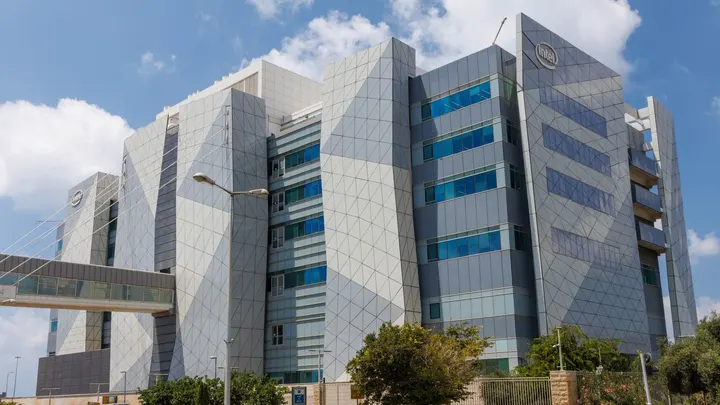
وقوع انفجاری کشنده در کارخانه Fab 28 شرکت Intel در اسرائیل موجب تعطیلی دوهفتهای این مرکز شد. این حادثه زیان ۶۰۰ میلیون دلاری و اختلال ششماهه در تولید پردازندههای سرور ۱۰ نانومتری Xeon را به همراه دارد.
انفجار مرگباری که اوایل ماه جاری در کارخانه Fab 28 شرکت Intel واقع در نزدیکی کریات گات اسرائیل رخ داد، منجر به کشته شدن دو نفر و مصدومیت شدید یک تن دیگر شد. این حادثه مسئولان Intel را مجبور کرد تا تمام فعالیتهای این مرکز مهم را به مدت دو هفته کاملاً متوقف کنند.
دیو زینسنر، مدیر مالی Intel، در جریان گزارش مالی شرکت اعلام کرد که تولید در این کارخانه تا پایان هفته جاری از سر گرفته میشود. با این حال، این تعطیلی دوهفتهای ضربه مالی سنگینی به شرکت وارد کرده است. انتظار میرود این حادثه حدود ۶۰۰ میلیون دلار کاهش درآمد طی دو فصل مالی (فصل چهارم ۲۰۲۶ و فصل اول ۲۰۲۷) ایجاد کند و حاشیه سود ناخالص غیر GAAP شرکت را در فصل چهارم حدود ۲ درصد کاهش دهد.
اصلیترین بخش آسیبدیده، پردازندههای سرور خانواده Xeon هستند که با فناوریهای کلاس ۱۰ نانومتر و Intel 7 به تولید میرسند. اگرچه جدیدترین پردازندههای Xeon 6 از قالبهای محاسباتی Intel 3 استفاده میکنند، اما دایهای ورودی/خروجی (I/O) آنها همچنان متکی بر لیتوگرافی Intel 7 هستند. علاوه بر این، نسلهای قبلی مانند Xeon 5 همچنان روی همین خطوط تولید ساخته میشوند.
اگرچه Intel کارخانههای ۱۰ نانومتری دیگری در آریزونا دارد، اما به دلیل تقاضای بسیار بالا در بازار سرور و هزینهبر بودن انتقال خطوط تولید اختصاصی، امکان جبران کامل این کمبود از طریق سایر تأسیسات وجود ندارد. همچنین احتمال آسیب دیدن ویفرهای نیمههادی در حال ساخت در زمان حادثه وجود دارد که بررسیها برای ارزیابی میزان خسارت آنها ادامه دارد.
هنوز مشخص نیست که آیا این رویداد بر عرضه پردازندههای مصرفکننده (مانند نسلهای ۱۲، ۱۳ و ۱۴ سری Core) نیز تأثیر خواهد گذاشت یا خیر، اما محدودیت در زنجیره تأمین پردازندههای سرور ۱۰ نانومتری قطعی است و تا اوایل سال ۲۰۲۷ ادامه خواهد داشت.
Deadly Intel Fab 28 explosion causes two-week shutdown, to cost $600 million and severely disrupt server chip manufacturing for six months — 10nm Xeon shipments stall during largest shortage in memory
The explosion at Intel's Fab 28 near Kiryat Gat, Israel , that happened earlier this month forced Intel to shut down the whole facility for two weeks, and now the company expects that it will cost it approximately $600 million in lost revenue over two quarters. The disruption is expected to affect server processors manufactured using Intel's 10nm-class process technologies and will reduce the company's shipments in…
Deadly Intel Fab 28 explosion causes two-week shutdown, to cost $600 million and severely disrupt server chip manufacturing for six months — 10nm Xeon shipments stall during largest shortage in memory
The most devastating semiconductor fab disruption in recent history.
The explosion at Intel's Fab 28 near Kiryat Gat, Israel, that happened earlier this month forced Intel to shut down the whole facility for two weeks, and now the company expects that it will cost it approximately $600 million in lost revenue over two quarters. The disruption is expected to affect server processors manufactured using Intel's 10nm-class process technologies and will reduce the company's shipments in both the fourth quarter of 2026 and the first quarter of 2027.
"In Israel, we have been shut down for about two weeks," said Dave Zinsner, chief financial officer of Intel, during the company's earnings call. "We feel like we are going to be starting up production here by the end of this week."
The explosion occurred in mid-October, killed two, seriously injured one, and caused an extended shutdown of Fab 28, one of Intel's key manufacturing facilities for chips produced using its 10nm-class and Intel 7 process technologies (Intel 7 was formerly called 10nm Enhanced SuperFin). Intel expects the incident to reduce its Q4 2026 revenue by approximately $300 million, and a similar impact is anticipated in Q1 2027. The company also expects the accident to reduce its fourth-quarter non-GAAP gross margin by approximately 2%.
Intel has not identified the affected Xeon processor families, disclosed the number of wafers damaged, or specified when Fab 28 will return to full production capacity after it restarts this Friday.
Although Intel's latest Xeon 6 processors use compute dies produced on Intel 3 fabrication technology, they still use I/O dies fabricated on Intel 7 (aka 10nm ESF) fabrication process. Furthermore, Intel continues to sell previous-generation Xeon 5 Emerald Rapids (and even Xeon 4 'Sapphire Rapids', though it stopped accepting orders on these CPUs in late September) that are made on Intel 7 manufacturing technology.
While Intel has plenty of 10nm-capable fabs — including Fab 12, Fab 22, Fab 32, Fab 42 in Arizona as well as Fab 28 in Israel — the disruption comes as Intel struggles to satisfy strong demand for server processors, so Intel cannot completely offset the lack of output at one facility by adjusting manufacturing at the others (i.e., it has done everything it could by now). For sure, Intel will not repurpose product lines it uses to make I/O dies for Xeon 6 to make previous-generation CPUs. In addition, other fabs may lack product-specific manufacturing qualifications, or the time and costs required to transfer production between facilities are too high, keeping in mind that Fab 28 is about to restart.
In addition to lost production time, Intel faces potential losses from wafers that were undergoing fabrication when the accident occurred. The company is assessing work-in-progress inventory to determine which wafers can be recovered and which must be discarded and written off. Zinsner expects most wafer write-offs to occur in Q4 2026, which explains why the gross-margin impact will be concentrated in that quarter despite the disruption to shipments extending into early 2027.
Get Tom's Hardware's best news and in-depth reviews, straight to your inbox.
"Please note almost all of the $300 impact from Fab 28 is related to 10nm server products," Zinsner said.
Although Intel stresses that the shutdown primarily affects its 10nm-class server processors, the company has not disclosed whether the incident will also disrupt shipments of client processors manufactured using its Intel 7 (10nm ESF) process technology. Intel uses this node to manufacture a wide range of client CPUs, including its 12th, 13th, and 14th Generation Core processors, such as Raptor Lake. However, it is unclear whether Fab 28 manufactures any of these products and, if so, whether Intel can compensate for the loss of production by increasing output at its other Intel 7-capable facilities. Consequently, the shutdown could potentially affect the availability of some consumer processors as well.
Follow Tom's Hardware on Google News, or add us as a preferred source, to get our latest news, analysis, & reviews in your feeds.
Anton Shilov is a contributing writer at Tom’s Hardware. Over the past couple of decades, he has covered everything from CPUs and GPUs to supercomputers and from modern process technologies and latest fab tools to high-tech industry trends.
Source report: Tom's Hardware.
گزارش فارسی این خبر با کمک هوش مصنوعی و فقط بر اساس اطلاعات منتشرشده در منبع تهیه شده است.